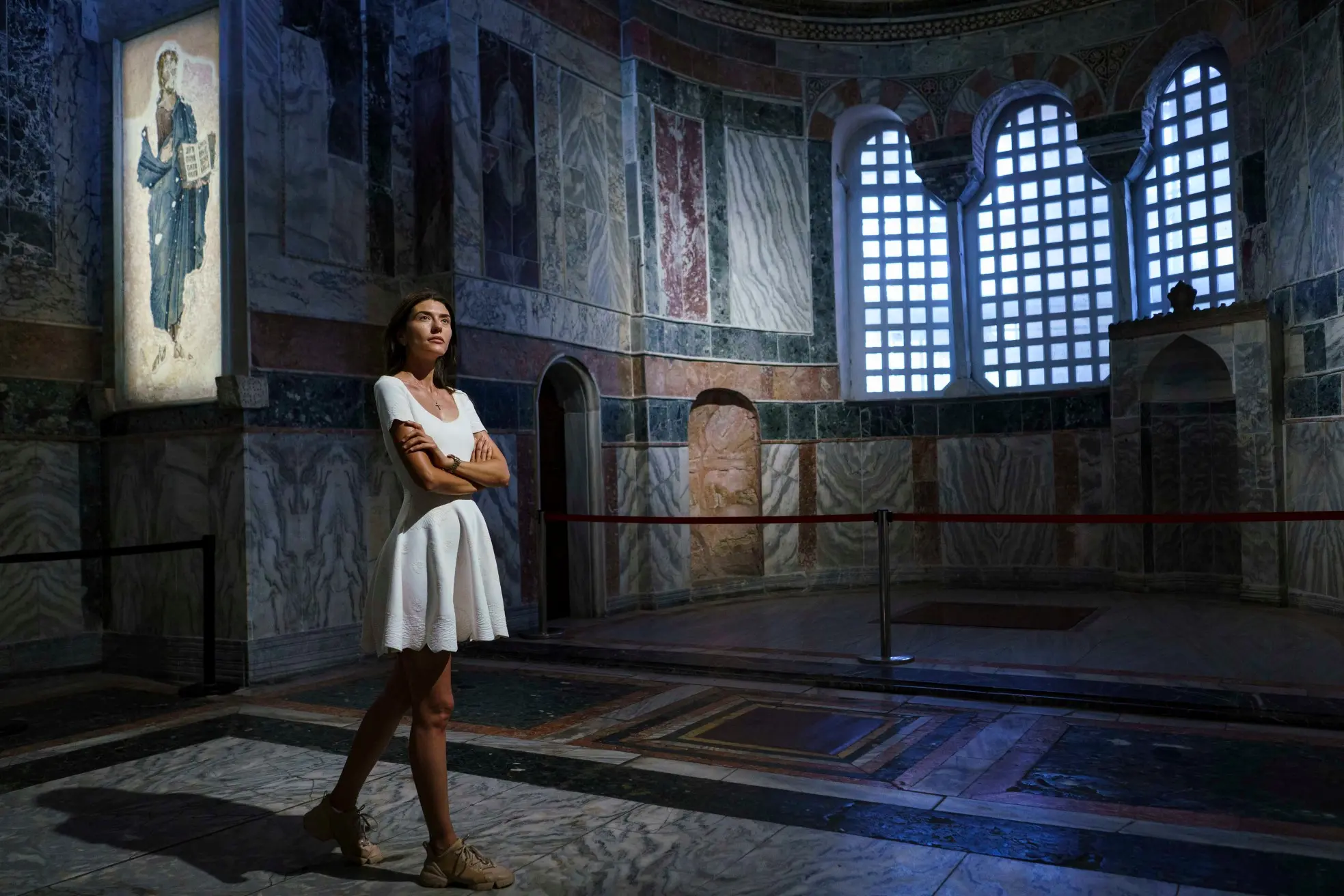
A heritage journey can begin with a clear ancestral link, a tradition that shaped a family or a place whose history feels personally important. It should never be treated as a generic theme.
A personal reason to travel
Research, interpretation and emotion need equal care.
Some travellers arrive with names, dates and documents; others have fragments passed between generations. We establish what is known, what may be researched and what cannot be promised before the route is built.
Private heritage tours often carry emotional weight. The itinerary therefore needs space around significant visits, a guide who knows when to speak and practical alternatives when records or access remain uncertain.
Every journey
Private and designed from the beginning
Built around
Ancestry, faith, memory and cultural context
First step
A detailed conversation with our team
What changes the experience
01
Define the question first
‘Where did my family come from?’ may involve civil archives, religious records, changing place names and borders that moved repeatedly. A focused question makes the research more useful.
We gather the information you already hold, identify appropriate local expertise and separate verified findings from family tradition without diminishing either.
02
Connect records to landscape
An archive entry becomes more meaningful when the route also explains the neighborhood, economy, faith and historical pressures surrounding it. Specialist guides help place personal detail within a larger story.
Museums, cemeteries, houses of worship and community institutions are selected because they add context—not simply because they share a label with the journey.
03
Approach communities respectfully
A family village or congregation is not a staged attraction. Introductions depend on local willingness, privacy, language and the realities of the place today.
We prepare carefully, use interpreters where needed and avoid promising encounters that cannot ethically be guaranteed. Respect is part of good access.
04
Leave room after important moments
A visit to a former home, memorial or sacred site may need more time than expected. We avoid placing it between a long drive and a fixed reservation.
The rest of the journey still matters. Food, landscape, contemporary culture and ordinary daily life prevent heritage travel from becoming only a search for what has been lost.
05
Work across languages and changing names
Family records may use another alphabet, an earlier place name or the administrative language of a former state. Transliteration can create several plausible spellings for the same person or village.
We preserve that uncertainty in the research brief and use local language expertise where it can distinguish a real lead from a superficial match.
06
Create something useful to carry home
Where appropriate, we organize confirmed references, translations and contact details so the journey does not end with scattered notes. Photography and document handling follow local rules and personal consent.
The result may not answer every question. It should leave the family with clearer knowledge, honest boundaries and a record of what was found.