
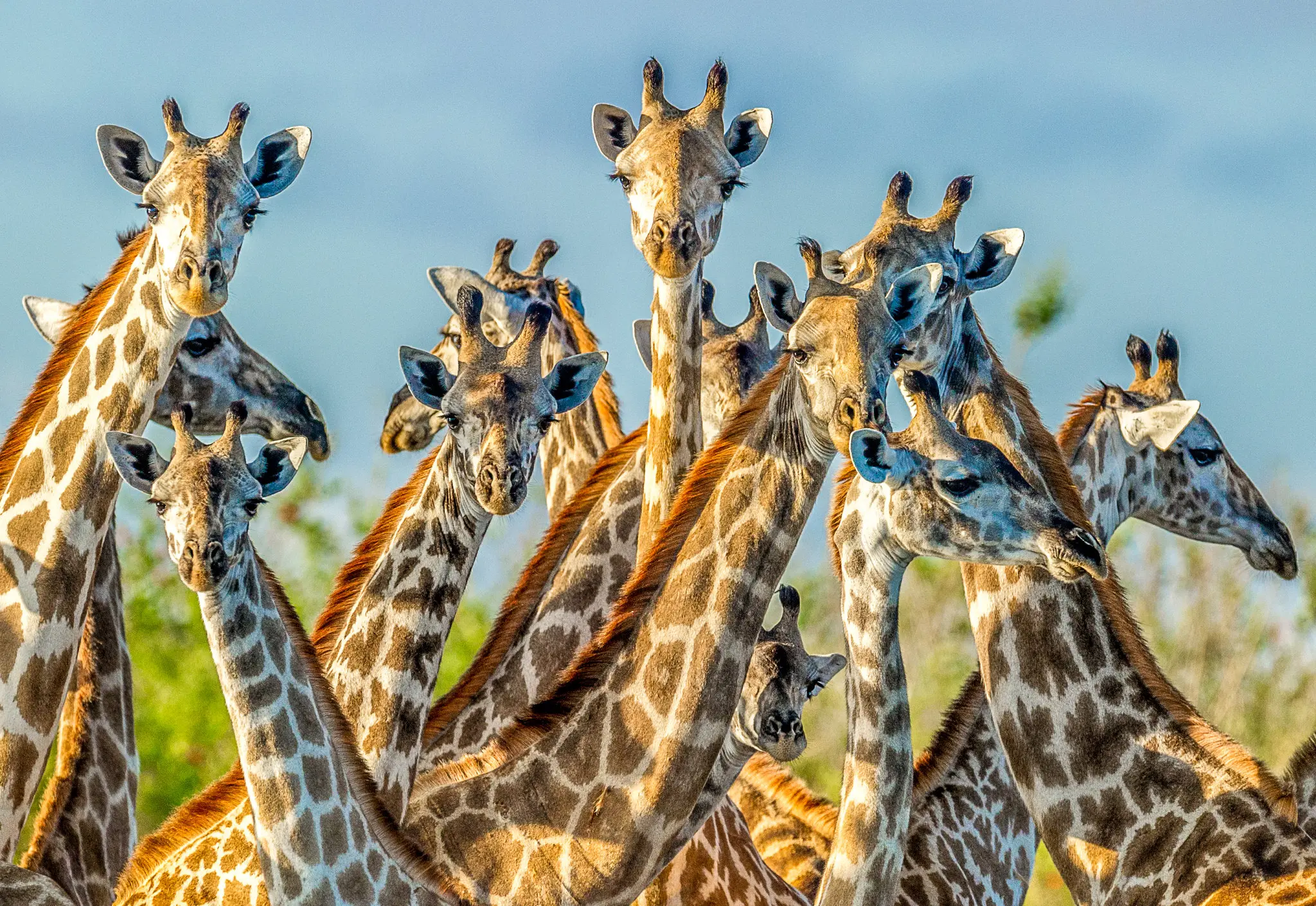
A group of giraffes seen at close range

Wild places · Precise planning

Private African Safaris Built Around the Wild

There is no single ‘best safari.’ The right journey depends on season, habitat, wildlife priorities, travel tolerance and how you want to feel between game drives.

The journey in practice

Start with ecosystems, not a list of countries.

Migration timing, water levels and rainfall affect wildlife movement, but they do not turn nature into a timetable. We explain the trade-offs honestly and build a private African safari around strong year-round experiences as well as seasonal possibilities.

Camp character matters as much as location. Guiding, vehicle policy, room layout, access by road or air and the rhythm of the day all change the experience. We compare these details before recommending a property.

Works well for
First safaris, repeat travellers, families and photographers
Typical rhythm
Two to four camps with deliberate transitions
Planning range
Usually 9–16 days

How we shape it

01

Choose the right safari geography

Botswana’s water and desert systems, Tanzania and Kenya’s broad migration landscapes, Namibia’s desert scale and South Africa’s variety create very different journeys. Combining countries can work, but border and flight days must justify themselves.

We begin with the animals, landscapes and level of remoteness that matter to you, then identify the most coherent route for the season.

02

Make camp changes count

Moving every two nights can produce more airstrips than wilderness. A longer stay allows guides to learn your interests, creates time for different habitats and makes room for an afternoon at camp without the sense of missing out.

We examine transfer schedules, shared versus private vehicles and the actual time available on arrival and departure days. Those details protect the journey’s rhythm.

03

Design for families and different abilities

A private vehicle is often essential for families because it allows flexible drive lengths and spontaneous returns to camp. Age limits for walks, boating and some camps vary and must be checked early.

For multigenerational travel, we consider room proximity, pool safety, meal flexibility and how non-safari time works for every traveller—not only the headline wildlife.

04

Connect bush and coast carefully

Mozambique, Mauritius, Seychelles or Zanzibar can create a restorative final chapter, but international connections and weather patterns vary. The most famous beach is not always the cleanest fit.

We choose the coast in relation to the safari route, season and preferred level of activity, minimizing unnecessary overnights and fragile connections.

05

Prepare for the small aircraft reality

Safari flights may use strict baggage limits, soft-sided luggage and changing schedules. Airstrip transfers can also affect the first and last game activity at a camp.

We make those conditions clear before packing begins and design international connections with enough margin. Practical preparation should remove anxiety, not appear as a surprise at departure.

Explore by country

BotswanaRwandaMozambiqueMadagascarMauritius & SeychellesEswatiniZimbabweKenyaZambiaTanzaniaSouth AfricaNamibia

Plan a private journey

What do you hope to see—and feel—in Africa?

Customize